Table of Contents
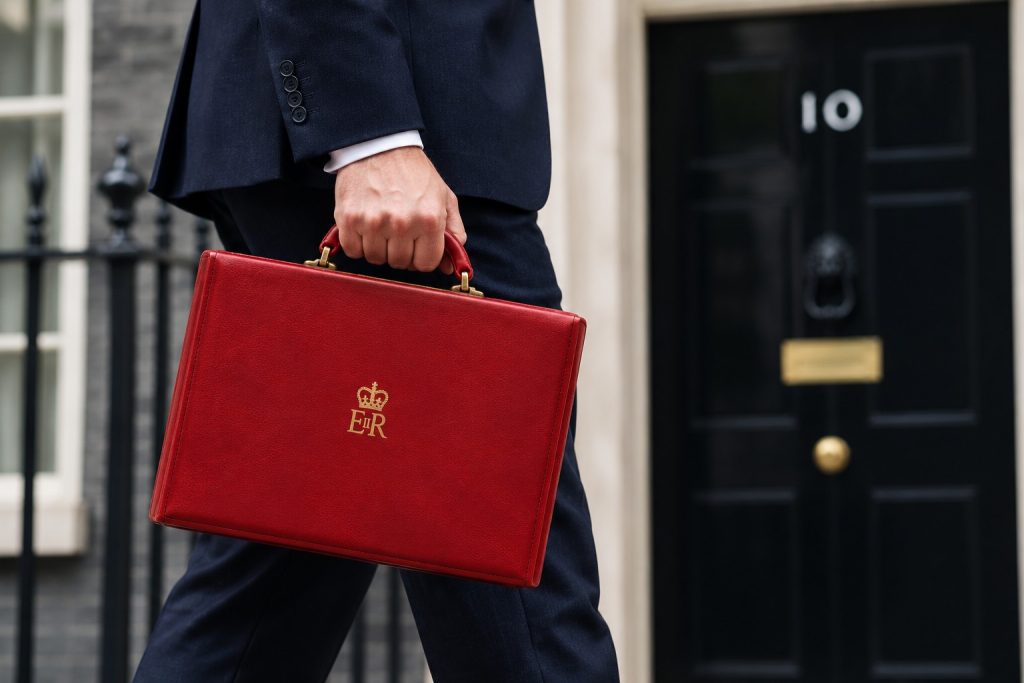
On Wednesday 28 October, Chancellor John Healey delivered his first Budget, with the Office for Budget Responsibility (OBR) publishing its latest forecasts the same day. The headlines are about tax, spending and borrowing, but for employers and HR teams the question is simpler: what does this mean for the money worries your people are carrying into work?
Here is a plain-English summary of the announcements most likely to affect household finances, followed by what they could mean for financial wellbeing in your workplace.
On Wednesday 28 October, Chancellor John Healey delivered his first Budget, with the Office for Budget Responsibility (OBR) publishing its latest forecasts the same day. The headlines are about tax, spending and borrowing, but for employers and HR teams the question is simpler: what does this mean for the money worries your people are carrying into work?
Here is a plain-English summary of the announcements most likely to affect household finances, followed by what they could mean for financial wellbeing in your workplace.
The main measures at a glance
Area | What was announced | When |
Energy payment | A one-off £100 Household Energy Payment for up to 20 million households in England in council tax bands A to D. Devolved governments receive funding to decide their own approach | Paid from January 2027 |
Gas standing charges | Daily standing charges on gas bills to be removed and built into unit prices. The Treasury says around 60% of households could save about £45 a year, but households that use more gas may pay more | 2027, or as soon as possible after |
Electricity VAT and fuel duty | VAT relief on domestic electricity extended to July; the 5p fuel duty cut also extended to July | Through winter and spring |
Minimum wage | National Living Wage rising 3.9% to £13.20 an hour for workers aged 21 and over, benefiting about 2.3 million workers | Check effective date (see notes) |
Income tax thresholds | No change to income tax, National Insurance or VAT rates. Thresholds remain frozen, so more pay can fall above the tax-free personal allowance as wages rise | Ongoing |
Savings and property income | Tax rates on savings and property income rise by a further two percentage points. No change to dividend tax. Income held in ISAs and pensions is not affected | From April 2027 |
ISAs | The planned £12,000 cap on cash ISA contributions for under-65s has been scrapped; the overall £20,000 allowance stays. The government will consult on a new “Starter ISA” for first-time investors | From April 2027 |
First-time buyers | The Lifetime ISA charge for unauthorised withdrawals falls from 25% to 20%. A First Time Buyer ISA is due to replace the Lifetime ISA for new savers, and a “Your First Home” equity loan scheme replaces Help to Buy | Charge cut from 29 October 2026; scheme from spring 2027; new ISA from April 2029 |
State pension | Full new state pension rising 3.9% to £250.70 a week (about £13,036 a year). A new pension tax allowance means pensioners whose total income is no more than the full new state pension will not pay income tax | From April 2027 |
Everyday fixes | Tax-free mileage rate above 10,000 miles up from 25p to 35p; the Carer’s Allowance earnings cliff-edge replaced by a taper; two weeks’ parental pay for self-employed partners; the trading allowance rising from £1,000 to £3,000 | Various, 2027 to 2030 |
Help is coming, but not all of it is immediate
Several measures are aimed at the cost of living, but the timing matters. The £100 energy payment arrives in January, and the gas standing charge change is not due before 2027. Neither is likely to ease this winter’s bills much.
The OBR’s forecasts suggest the pressure will not disappear quickly. It expects inflation to average 3.5% in 2027, returning to 2% only in 2028, and says real household disposable income per person is set to dip slightly in 2026 and 2027. It also expects interest rates to rise to about 4.25% by mid-2027, up from 3.75%, which matters for anyone with a mortgage or loan to refinance.
For employees, that means money worries are likely to persist well into next year, even where support is on the way.
Pay rises and frozen thresholds
A 3.9% rise in the National Living Wage will help lower-paid workers. At the same time, income tax thresholds remain frozen. As tax experts have pointed out, when pay rises but the tax-free allowance does not, a larger share of earnings can fall into tax, so take-home pay may not rise by the full amount of the increase. This effect is known as fiscal drag.
It is worth making sure employees understand how their payslip, tax code and pay rise fit together. Many people do not, and confusion about pay is a common source of financial stress.
Savings and investing: a change of direction on ISAs
The decision to drop the cash ISA cap keeps things simpler for savers who use cash ISAs for emergency funds and short-term goals. Commentators have noted that improving financial education may do more than restricting allowances to encourage investing, and the planned Starter ISA is intended to support first-time investors.
However, interest earned on savings outside an ISA will be taxed at a higher rate from April 2027. The Chancellor said around 88% of people will pay no more tax on their savings income, but those with larger cash savings should understand how their allowances work.
Homes and first-time buyers
The lower Lifetime ISA charge means savers who withdraw funds because a home costs more than the property price limit will get back at least what they paid in. The new Your First Home scheme and First Time Buyer ISA signal continued focus on helping people onto the property ladder, though the detail is still to come. Mortgage costs remain an important factor, particularly with rates forecast to rise.
Landlords will see tax on property income rise from April 2027, which some property groups have criticised.
Retirement and later life
The new pension tax allowance protects pensioners whose only income is the state pension from income tax once that pension rises above the personal allowance. As industry experts point out, though, many pensioners also receive workplace or private pension income, and with thresholds frozen, more people could pay tax on a greater share of it.
For employees approaching retirement, the State Pension rise and these tax rules are a reminder of how much planning matters. Understanding how different income sources combine and are taxed is one of the most common areas where people feel unsure.
Carers, parents and the self-employed
The planned removal of the Carer’s Allowance cliff-edge from 2030 will help carers who work, and two weeks of parental pay for self-employed partners is a new entitlement for around 150,000 people. A higher trading allowance will also affect employees with side incomes. These changes show how varied employees’ circumstances are, and why a one-size-fits-all approach to financial wellbeing support rarely works.
What employers can do now
- Communicate clearly. Summarise what applies to your workforce (for example the energy payment and how to check eligibility) and signpost to official sources.
- Review your pay and benefits. Consider how the minimum wage rise, mileage rates and any pay review fit together.
- Update expenses policies. If employees drive for work, check how the new mileage rates affect reimbursement from April 2027.
- Offer education alongside benefits. Workshops and one-to-one conversations help employees make sense of tax, savings and pensions changes.
- Plan for different life stages. First-time buyers, carers, new parents and those approaching retirement all face different questions.
- Keep the conversation open. Financial worry is often hidden, and it is easier to raise when employers show it is a normal topic.
What employees can do
- Check whether they qualify for any of the support announced, and wait for official guidance on how to claim.
- Look at their payslip and tax code so they know what they are paying and why.
- Make sure they understand how their savings and ISA allowances work before making changes.
- Talk to someone impartial if they are unsure. Free services such as MoneyHelper are a good starting point.
How Planned Future can help
Budget announcements are complex, and employees often turn to their employer first for help making sense of them. Planned Future offers:
- Cost of Living: Making Ends Meet, a one-hour webinar
- Financial wellbeing workshops and webinars, including Money Mindset, Pensions & Investing and bitesize sessions on mortgages and budgeting
- Retirement planning seminars
- The Money Guide Service for impartial one-to-one guidance
- Our financial wellbeing portal with guides and calculators available 24/7
See our financial wellbeing at work page to find out how a programme could work for your organisation, or speak with our team.
This article is for general information only and is not financial advice or a personal recommendation. Budget measures may change before they take effect, and some still need legislation. Check GOV.UK for the latest details.